Lafayette Water Conservation: Which Outdoor Uses to Pause First
Lafayette households can cut outdoor water use without treating every plant or chore the same. When supplies are tight or a conservation request comes through, the practical question is what to pause first. Start with uses that are mostly cosmetic, then protect valuable plants with targeted watering and check whether local instructions set mandatory limits.
Start with the outdoor uses that deliver the least value
When you need to reduce water use quickly, pause activities that can wait or that use water mainly for appearance. This protects household needs and leaves more water available for essential outdoor care, such as keeping established trees and important landscape plants alive through dry weather.
A useful order is:
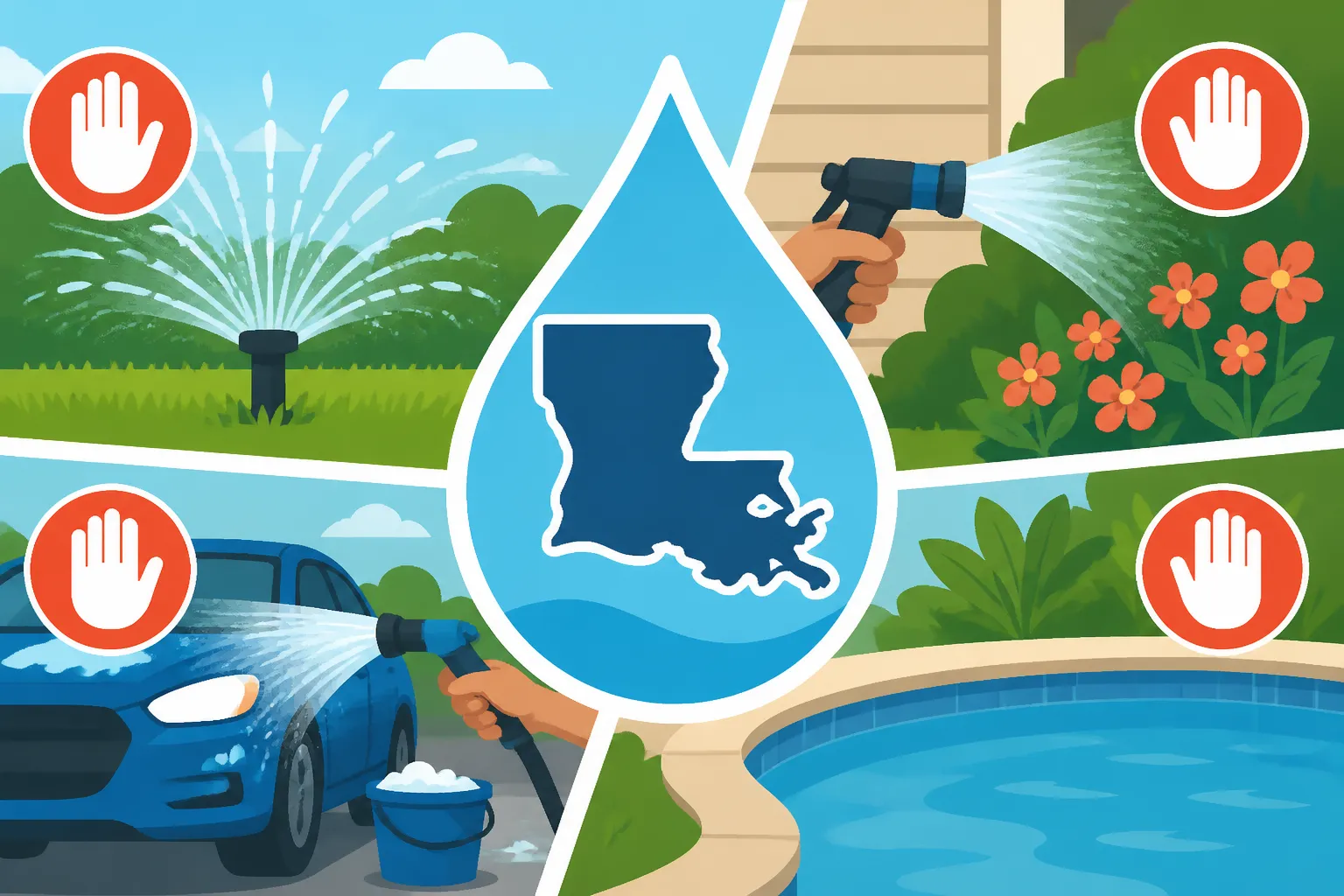
- Pause routine lawn irrigation. Turf can often tolerate a temporary break better than trees and shrubs can tolerate prolonged drying. Lawns may lose color or become dormant, but that does not automatically mean they are dead. Follow any current local instructions if they specifically address lawn watering.
- Turn off decorative fountains and water features. If a feature continuously circulates water outdoors, shut it down during a conservation effort. Check its setup before draining it; some features are designed to remain filled.
- Delay car washing at home. A bucket and a shutoff nozzle use less water than leaving a hose running, but postponing a nonessential wash is the bigger conservation step.
- Put off pressure washing and outdoor rinsing. Cleaning siding, patios, driveways, outdoor furniture, and sidewalks can usually wait. Sweep hard surfaces instead of spraying them.
- Avoid filling or topping up pools and other outdoor water containers unless necessary. Cover a pool to reduce evaporation and check for leaks. If it needs maintenance, address that before adding water.
- Skip hose-based recreation and casual rinsing. Turn off sprinklers used for play, and avoid letting children play under a running hose when water conservation is needed.
| Outdoor use | First response | If some water is still needed |
|---|---|---|
| Established lawn | Pause scheduled irrigation | Resume only as conditions and local instructions allow |
| Trees and established shrubs | Check soil before watering | Water slowly at the root zone |
| Decorative fountain | Turn it off | Check whether the feature should remain filled |
| Car washing | Postpone the wash | Use a shutoff nozzle and avoid rinsing longer than needed |
| Driveway or patio cleaning | Sweep rather than spray | Use a bucket for a small, necessary spot clean |
| Pool or water feature refill | Check for leaks and postpone if possible | Cover the surface and refill only when needed |
| New plants or containers | Prioritize selectively | Water the root zone with a can or controlled hose |
The order can change with the weather and your yard. A newly planted tree may need attention before established turf, even if both look dry. A small container garden may dry much faster than a mature shrub bed. Conservation is not about withholding water indiscriminately; it is about dropping low-priority uses before they compete with plants that are harder to replace.
Why lawn watering is often the first cut
A lawn is visible, so it can feel as though it needs water as soon as its color fades. But a temporary change in color does not always mean permanent damage. Some grass types slow their growth or go dormant during dry conditions, then recover when weather and soil moisture improve. Repeated irrigation simply to keep turf looking lush can consume water without addressing the highest-value needs in the yard.
When local restrictions are active, do not assume a lawn’s condition gives you permission to water outside the permitted schedule. Check the current rules first. What Days Can You Water Lawns Under Lafayette City-Parish Rules? explains why it is important to distinguish ordinary watering habits from a local schedule or restriction.
Protect plants without watering everything
Once you have paused the discretionary uses, focus any necessary outdoor watering on plants with the greatest need and the least ability to recover from drying. Established trees, recently planted trees and shrubs, young garden plants, and containers may deserve attention before broad areas of turf.
Start by checking the soil rather than relying on a fixed routine. Surface soil can look dry while moisture remains deeper down, or it can look damp after a brief shower while the root zone stays dry. Check near the roots and consider recent rain, sun exposure, wind, soil type, and the plant’s condition. If the soil is still moist where roots are active, wait and check again later.
Target the root zone
Watering a small area slowly is usually more useful than spraying a large area quickly. Aim water at the soil around the plant rather than its leaves or nearby pavement. Slow application gives water more time to soak in and reduces runoff, especially on sloped or compacted ground.
For a tree, water the soil across the area where its roots extend, not just against the trunk. For shrubs and garden plants, direct water to the base or root zone. A watering can, a hose with a shutoff nozzle, or a carefully positioned drip line can help you avoid wetting places that do not need it.
Pause between short applications if water begins to run across the surface. That is a sign the soil may be taking in water more slowly than it is being applied. Let the water soak in, then apply more only if the root area still needs it.
Reduce evaporation and runoff
A few basic yard adjustments can help make each watering more effective:
- Add mulch around trees, shrubs, and garden beds, keeping it away from direct contact with trunks and stems.
- Repair leaking hoses, connectors, irrigation valves, and outdoor faucets.
- Adjust or reposition sprinkler heads that spray sidewalks, driveways, fences, or walls.
- Use a rain gauge or check the soil after rainfall before running an irrigation cycle.
- Avoid watering on a schedule that ignores recent rain or changing weather.
- Use a broom to clear leaves and dirt from hard surfaces instead of rinsing them away.
Mulch helps shade the soil surface and slow moisture loss. It does not replace watering when a plant needs water, and it should not be piled against stems or tree trunks. Likewise, a timer can help control irrigation, but it is not a substitute for checking whether the yard has already received rain.
Treat new plantings and containers as exceptions
Newly planted shrubs and trees have not yet developed the same established root network as older plants. Containers also hold a limited amount of soil and can dry faster than garden beds. During a dry period, they may need more frequent checks than mature landscaping.
That does not mean watering them automatically every day. Check the soil in the root zone and water when it is dry enough to need it. For containers, check below the surface; the top can dry before the soil lower in the pot does. If only a few plants need attention, water them directly rather than running a whole-yard irrigation cycle.
If you are deciding what outdoor uses to pause during an official request, Lafayette-specific guidance may take priority over general gardening advice. Lafayette Water Conservation: Which Outdoor Uses to Pause First is this article’s topic, while Lafayette Utilities System Alert: What Indoor Water Uses to Trim covers the related question of reducing indoor use when a LUS alert calls for conservation.
Reduce other outdoor water uses
Irrigation is often the largest outdoor use people notice, but many smaller activities add up. A running hose can waste water while you move between tasks, and frequent rinsing can become a habit even when a broom or bucket would do the job.
Wash vehicles only when needed
If washing a vehicle can wait, postpone it during a conservation period. If it cannot, use a shutoff nozzle so water flows only while you are actively rinsing, and use a bucket for washing rather than letting a hose run. Avoid washing a vehicle on a surface where soapy water will flow into a storm drain or onto neighboring property.
A commercial wash may use water differently from a home wash, but that does not automatically make it the best choice during a local conservation request. Check the wording of any current notice. If it asks residents to limit all nonessential use, do not assume a particular service is exempt.
Replace hard-surface rinsing with dry cleanup
A hose is convenient for driveways, patios, sidewalks, porches, and outdoor furniture, but many of these jobs do not need water. Sweep or brush away dry debris first. For a small sticky area, use a damp cloth or a bucket rather than spraying the full surface.
Pressure washing can also wait in most circumstances. It may be useful for a specific maintenance problem, but routine appearance cleaning is generally a lower priority than maintaining plants that need water. If a job is necessary, keep the work area small and avoid letting runoff carry dirt or cleaning products into drains.
Check pools and water features for avoidable losses
Pool water can be lost through evaporation, splashing, leaks, or maintenance. A cover can reduce evaporation when the pool is not in use. If the water level drops faster than expected, look for a leak before repeatedly topping it up. Fixing a leak can prevent ongoing water loss, but do not drain a pool or water feature without checking what the equipment or manufacturer requires.
A decorative pond, fountain, or similar feature may need water to operate as designed. Rather than draining it automatically, turn off circulation if appropriate and check the equipment instructions. During a conservation request, suspend optional features that can be switched off safely.
Keep hoses under control
Use a shutoff nozzle, close the tap between tasks, and avoid leaving a hose where a leak could go unnoticed. A hose can also create runoff if it is left flowing over compacted soil or a paved area. If you use a soaker hose or drip line, inspect it for leaks and run it only as long as necessary to wet the intended root zone.
If your yard includes an automatic irrigation system, check its controller after rain and inspect the system periodically. A broken sprinkler head may send water into the street while the rest of the lawn receives too little. Conserving City Water: Why Lawns Only Need One Inch Each Week discusses lawn watering in general, but local restrictions and actual site conditions should guide what you do in Lafayette.
Follow local restrictions and respond to alerts
A voluntary conservation request and a mandatory restriction are not the same thing. A request may encourage residents to reduce nonessential use, while a local rule can specify allowed days, times, or activities. The current notice determines what applies; habits from a previous season may not.
Before changing an irrigation schedule, check official Lafayette Utilities System and City-Parish communications. Look for the date, affected area, requested or required actions, and any conditions for outdoor use. If the message is unclear, use the official utility or local government website to find current contact details and ask for clarification.
Read the notice for its actual scope
A conservation notice may apply to particular customers, parts of the service area, or categories of use. Do not assume a notice covers every Lafayette household, or that it applies only to lawns. Check whether it mentions:
- Irrigation days or time windows
- Newly planted landscaping or other stated exceptions
- Vehicle washing, pressure washing, or pool filling
- Whether the request is voluntary or mandatory
- When the restriction begins and whether it has an end date
- Where to find updates if conditions change
If the notice gives a specific instruction, follow that instruction rather than substituting a general conservation tip. Avoiding LUS Watering Penalties: How Lafayette’s Sprinkler Law Works and Lafayette Lawn Sprinkler Rules: Seasonal Schedules and Fines Explained address local watering rules; check the official source for current requirements before relying on a past schedule.
Do not confuse conservation notices with water-safety advisories
A request to reduce water use is about managing demand. A boil advisory or other water-safety notice is a different kind of communication and requires its own instructions. Do not treat one as a substitute for the other.
If your tap pressure or water service changes and you see a safety notice, follow the directions in that notice rather than assuming it is a conservation request. Louisiana Tap Water Guide: Quality, Testing, and Home Safety provides broader background, and Louisiana Boil Water Advisories and Notices: A Homeowner Guide explains how to respond to those separate notices.
When outdoor watering may still be necessary
A conservation request does not necessarily mean every plant must go without water. Follow the exact wording of the official notice, including any stated exceptions. If there is no clear exception, do not invent one; check with the issuing utility or local authority.
For general yard care, focus on a small number of high-value plants rather than watering the entire landscape. A tree showing signs of stress may need targeted care, while an established lawn can often wait. If water use is restricted and a plant has a specific maintenance need, seek clarification from the official source before assuming watering is allowed.
Make a practical conservation plan for the household
A simple plan helps everyone in the home act consistently. Choose what to pause, who checks current notices, and how to water plants that genuinely need attention. That is more reliable than making decisions while a hose is already running.
Set priorities before the next dry spell
Write down which outdoor uses are discretionary and which plants you would protect first. For example, routine lawn irrigation, fountains, and driveway rinsing can go on the pause list. Recently planted trees, vulnerable garden beds, and containers can go on a short check list.
The list should reflect your property rather than a generic landscape. A yard with mature trees and little turf has different priorities from a property with new plantings, raised beds, and a large lawn. Revisit the list after landscaping changes or repairs.
Check the system before it runs
At the start of a dry period, inspect the irrigation system and outdoor plumbing. Look for a stuck valve, a sprinkler aimed at pavement, a damaged hose, or a faucet that drips after it is shut off. Check the controller after rainfall and make sure its schedule matches any current local rule.
If your irrigation system is complex or a leak is difficult to locate, consider getting help from a qualified irrigation professional. Repairs can reduce water loss, but they should not be used as a reason to run the system more often than necessary.
Track rain and soil moisture, not just calendar days
A fixed schedule may water when the yard has already received enough rain, or fail to respond when conditions change. Check rainfall and the soil around plants before watering. If the soil is moist at the roots, wait. If the root zone is dry and local rules permit watering, apply water slowly and directly where it is needed.
The goal is not to create a complicated monitoring routine. A quick check before irrigation can prevent an unnecessary cycle. After a significant rain, review the controller rather than assuming its next run is still needed.
Coordinate with neighbors and household members
Households often conserve more effectively when everyone knows the plan. Explain which uses are paused, where the shutoff nozzle is, and which plants may need a soil check. If several people manage the yard, agree on who controls the irrigation timer to avoid duplicate watering.
Neighbors may also have different landscape needs or be served under different instructions. Share official notices, not rumors or assumptions. If you are unsure whether a street or property is covered by a local rule, verify it through the official source rather than relying on a neighbor’s schedule.
Keep indoor and outdoor efforts in perspective
Outdoor use is only one part of household demand. If an official request asks residents to conserve more broadly, follow its full scope rather than focusing only on the yard. LUS Asks Customers to Conserve: Cutting Lawn Irrigation and Hose Use addresses a conservation request that includes outdoor habits, while Lafayette Utilities System Alert: What Indoor Water Uses to Trim discusses indoor steps to consider alongside them.
Avoid making unsupported assumptions about how much a particular action saves. The benefit depends on how often the activity occurs, how long water runs, the equipment involved, and local conditions. The dependable approach is to stop avoidable flow, fix leaks, follow current instructions, and direct necessary water to the plants that need it.
Frequently Asked Questions
Should I stop watering my lawn first in Lafayette?
Routine lawn irrigation is often a sensible first pause because it is usually less urgent than watering new trees, shrubs, or containers. But follow any current local restriction, which may specify schedules or other conditions. A lawn changing color does not by itself mean it needs immediate watering.
Can I water new plants during a conservation request?
Check the exact notice for exceptions or instructions about newly planted landscaping. Do not assume an exception exists if the notice does not say so. If the wording is unclear, confirm it with the issuing utility or local authority through its official website.
Is hand watering always allowed when sprinklers are restricted?
Not necessarily. A notice may distinguish between irrigation methods, or it may limit outdoor water use more broadly. Read the current rule before switching from a sprinkler to a hose or watering can.
What should I do if my sprinkler is watering the street?
Turn it off and adjust or repair the system. A misdirected sprinkler wastes water without helping the landscape. If you cannot fix the problem safely or locate a leak, consider qualified help.
Is a water conservation request the same as a boil advisory?
No. A conservation request concerns reducing water demand; a boil advisory concerns water safety and has separate instructions. Follow the notice that applies to the issue you are facing.
Disclaimer
This article is for general informational purposes only and does not constitute professional advice. Laws, prices and regulations vary by location and change over time. Consult a qualified professional for guidance on your specific situation. Louisiana Water Guide is not a government agency or water utility and is not affiliated with any public water system.